Optimal QR Code Sizes for Effective URL Shortening
Learn the best QR code sizes for easy scanning and effective URL shortening. Use GoTo.now to generate high-quality, optimized QR c…
Feb 22, 2025
Short links and QR codes turn magazines, flyers, billboards and direct mail into channels with real click data.
Create a free link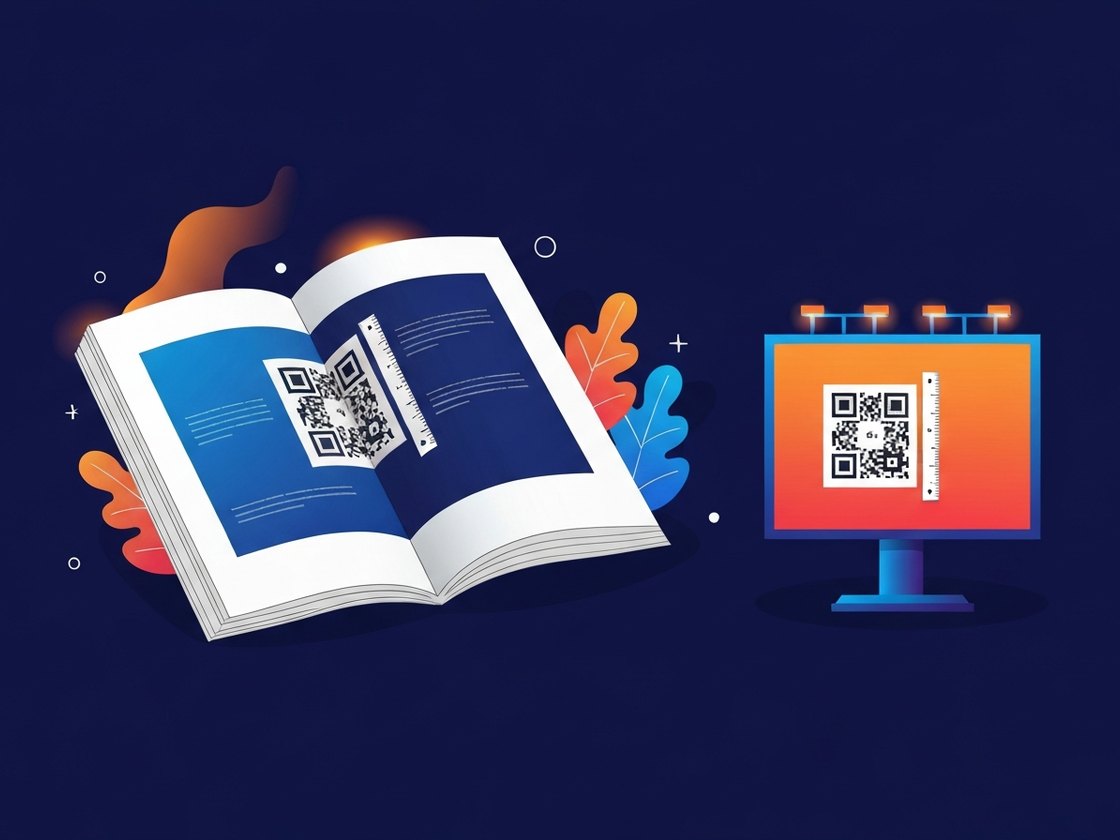
Print historically ended at 'impressions'. A unique short link or QR per placement finally reports actions, not estimates.

High-contrast, error-corrected codes scan from posters across a room; readable links work when a scan isn't practical - On radio or a moving bus.
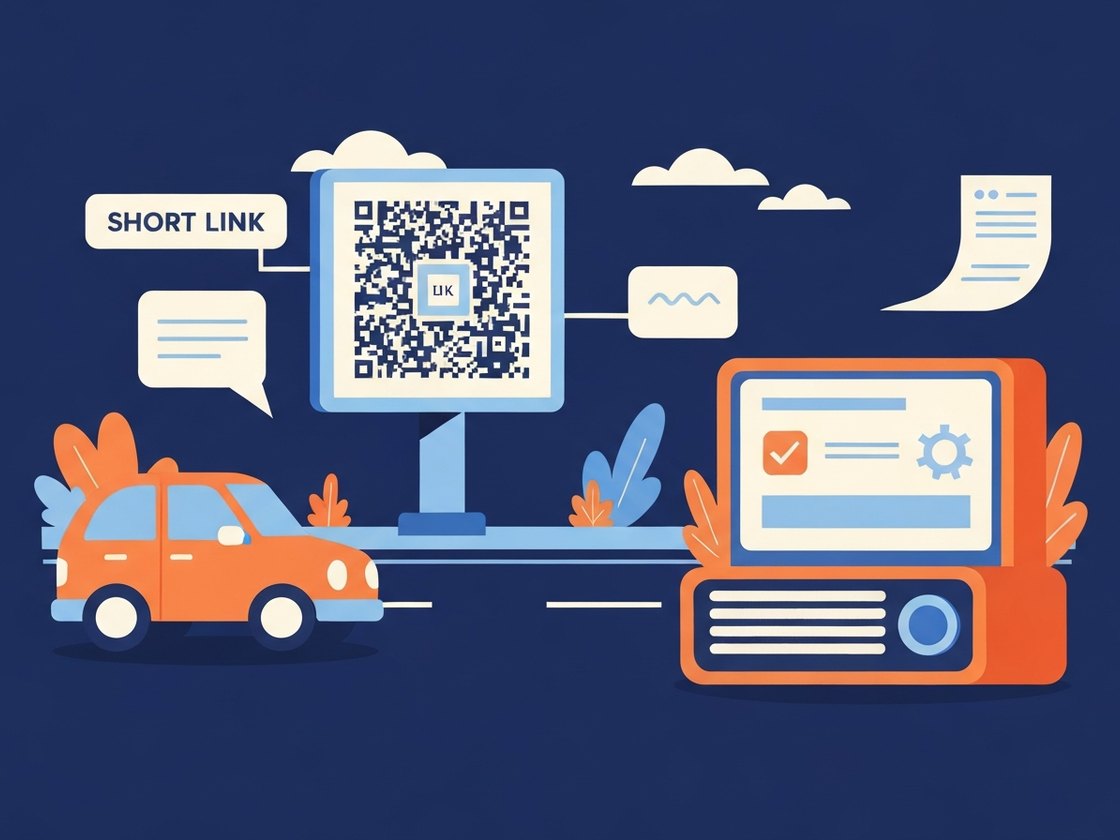
A misprinted or outdated destination isn't a disaster when the link is editable. Re-point and every copy in circulation is fixed.

Test scannability at final print size before the run.
Pair every QR code with its short link in text for accessibility.
Use per-publication links to negotiate next quarter's placements with data.
Prepare artwork for real scanning conditions and keep every printed destination repairable.
| Placement | Min QR size | Scan distance | File |
|---|---|---|---|
| Business card / flyer | 2 × 2 cm | ~25 cm | PNG 600px+ |
| Magazine ad | 2.5 × 2.5 cm | ~30 cm | SVG |
| Poster (A2–A1) | 10 × 10 cm | ~1 m | SVG |
| Billboard | 25 × 25 cm+ | 2.5 m+ | SVG |
Scan distance ÷ 10 = minimum code width. When in doubt, go bigger - And always print the short link in text under the code as a fallback.
Once every placement carries its own link, print reporting stops being estimates of impressions and starts being rows of actual actions: scans by publication, by region, by week. You'll learn things media kits never tell you - That the small side-column ad outperforms the full page, or that the bus-stop poster beats the billboard beside it. Next quarter's negotiations change tone completely when you arrive with click data for every placement you bought.
A dental clinic splits one month's budget between a local paper ad (goto.now/smile-news) and 5,000 mailbox flyers (goto.now/smile-mail).
The paper drives 42 booking-page clicks; the flyers drive 187 and cost less. Scan times cluster around 7-9 pm - People sort mail after work - So the follow-up run adds an evening-appointment headline, and bookings rise again. None of this needed a survey asking 'how did you hear about us?'
The print equivalent of CTR - Comparable across runs, papers and neighborhoods.
Flyers die in days; magazine ads drip for months. Match the offer's deadline to the medium's tail.
When people actually engage with print - Schedule staffing and follow-ups around it.
Per-edition slugs turn one insertion order into a geography test.
Guides from the GoTo.now blog for this use case.

Learn the best QR code sizes for easy scanning and effective URL shortening. Use GoTo.now to generate high-quality, optimized QR c…

Learn about white QR codes, their uses in branding and marketing, and how to create high-contrast, scannable designs with GoTo.now…

Discover effective retail marketing strategies, from in-store promotions to digital campaigns, with examples and tools that lift e…