Step-by-Step Guide to Editing QR Codes
Published February 22, 2025 · GoTo.now Team
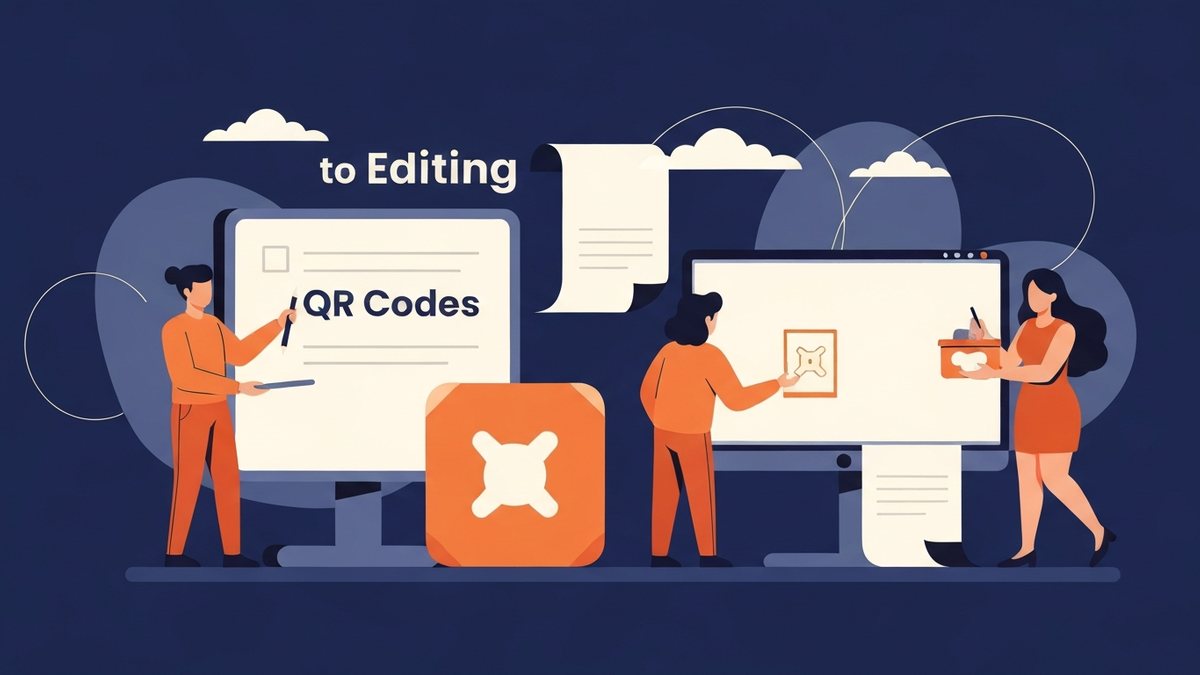
TL;DR - You can change where a QR code points without changing the code itself - If it's a dynamic code. Update the link behind it in your dashboard and every printed copy instantly leads somewhere new. No reprinting, ever.
Key points
- Static codes are frozen forever; dynamic codes stay editable after printing
- Editing takes five steps and about a minute in your dashboard
- The printed pattern never changes - Only the destination does
- Great for menus, promos, packaging, and fixing plain mistakes
- Always scan and test after editing, before you tell anyone
Here's a moment every business owner dreads: 2,000 flyers arrive from the printer, and the link behind the QR code is wrong. Whether that's a disaster or a thirty-second fix depends on one decision you made when creating the code. Let's make sure you make the right one.
Static or dynamic - The choice that decides everything
A static QR code has the destination URL baked directly into the pattern. Once it's generated, it's frozen. Wrong link? New campaign? Too bad - You're making a new code and reprinting everything that carried the old one.
A dynamic QR code doesn't contain your destination at all. It contains a short link, and the short link points at your destination. Since you control where the short link goes, you control where the code goes - Forever.
| Static code | Dynamic code | |
|---|---|---|
| Editable after printing | No | Yes |
| Scan counting | No | Yes, private to you |
| Pattern complexity | Grows with URL length | Stays small and clean |
| Cost of a wrong link | Reprint everything | Edit one field |
Every code you make with the QR code generator works the dynamic way when you shorten the link first. That's the habit to build: shorten, then generate.
How to edit a QR code, step by step
Say your code is out in the world - On table tents, flyers, packaging - And the destination needs to change. Here's the whole process:
- Log in to GoTo.now. Your links and their QR codes live in your dashboard.
- Find the link behind the code. Each short link shows its click and scan history, so the right one is easy to spot.
- Edit the destination URL. Paste the new address the code should lead to.
- Save. That's it - The change is live immediately. The printed code stays identical.
- Test it. Scan the code with your own phone and confirm you land on the new page.
Notice what's missing: no new image, no new download, no designer, no printer. The squares on the page never change. Only the address behind them does - And scans are unlimited, so there's no cap to worry about either.
When editing saves the day
Once you have editable codes, you start finding uses everywhere:
- Fixing mistakes. Typo in the URL, wrong landing page, http instead of https - Corrected in seconds.
- Rotating promotions. The code on your window poster points at January's offer in January and February's offer in February. Same poster all year.
- Menus and price lists. Restaurants change dishes weekly; the code on the table never changes. This is why editable codes are standard in hospitality.
- Packaging. A code printed on thousands of boxes can point to updated manuals, recall notices, or seasonal campaigns long after production. That flexibility is the whole appeal of QR codes on product packaging.
- Dead services. Your booking tool shut down? Point the code at its replacement and carry on.
The pattern is always the same: print once, edit forever.
Check your work before the world does
Editing is fast, which makes it easy to be sloppy. Build two checks into every change:
- Scan the physical code after saving - From the actual flyer or sticker, not just your monitor. Lighting, size and print quality all affect scans.
- Verify the new destination with the free link checker, so you're sure the URL loads and leads exactly where you intend.
One more tip: check the scan stats a day after any edit. If scans continue but your new page gets no visits, something's off with the destination - And you'll catch it while the numbers are small.
Editing beats reprinting, every time
That's the whole guide. Choose dynamic codes by shortening your link before generating, and "editing a QR code" becomes a one-minute dashboard task instead of a printing bill. The code on your flyers, menus and boxes turns into a permanent doorway - You just decide, whenever you like, what's on the other side. Set your next code up this way and the 2,000-flyer disaster simply can't happen to you.
Step-by-step guides for this topic